



Estimated reading time: 13 minutes
Sapa Travel Guide on a Budget: Costs, Itinerary & Smart Tips (2026)
I travelled for a little over 2 weeks in Vietnam, trying to pack in as many budget-friendly Vietnam experiences as possible! When I visited Cat-ba Island I thought I’d hit the jackpot of a budget-friendly Vietnam destination. Only to find that Vietnam has a lot more to offer. When it comes to budget travelling in Vietnam, Sapa is a brilliant choice. And my Sapa travel guide will help you plan your Sapa trip.
Just imagine hiking through lush rice terraces and marvelling at cascading waterfalls, all for free! And that’s not all. Sapa’s ethnic minority communities offer a unique cultural experience that won’t drain your wallet. Engage with friendly locals, immerse yourself in traditional activities, and soak up the authentic way of life without spending a fortune.
When it comes to accommodations, Sapa has you covered with budget-friendly options. You can expect to pay around $10-$20 per night for a comfortable stay. And let’s talk about the food! Sapa boasts a mouthwatering array of affordable eateries where you can sample local delicacies for as little as $2-$5 per meal.
Getting around in Sapa is easy on the wallet too. Buses and taxis offer affordable transportation options within the town, while local guides and tour operators provide reasonably priced trekking tours to explore the natural wonders of the region.
I’m going to go into detail for each of the following points in this Sapa travel guide.
Quick Summary: Sapa Travel Guide
Where is Sapa?
Sapa is a mountain town in northern Vietnam, located about 5–6 hours from Hanoi, near the China border. It’s known for rice terraces, village treks, and cooler weather.
Why visit Sapa?
- Scenic rice terraces and mountain views
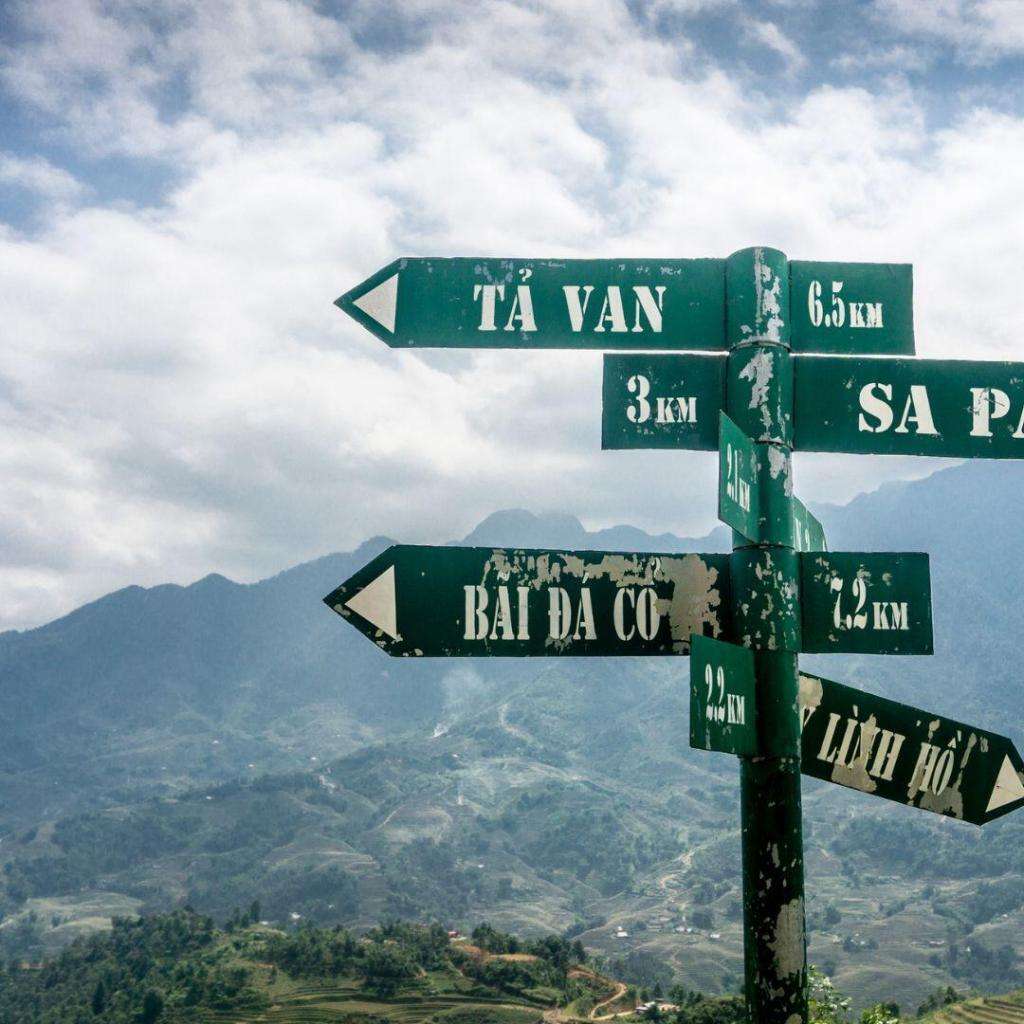
- Village trekking experiences (Lao Chai, Ta Van)
- A slower, more local side of Vietnam
- Cooler climate compared to the rest of the country
Ideal duration for Sapa:
- 2 days: Quick visit (tight, slightly rushed)
- 3 days: Ideal for trekking + exploring
- 4 days: Slow travel with village stays
Sapa budget (per person):
- Budget: ₹2,500–₹3,500 per day
- Mid-range: ₹3,500–₹5,500 per day
- Total for 3 days: ₹7,500–₹15,000
Who should visit Sapa?
- Nature lovers and photographers
- Travellers who enjoy walking and slow experiences
- Those looking to balance cities like Hanoi with something quieter
Who should skip Sapa?
- Travellers looking for luxury-first, low-effort trips
- Those not comfortable with walking, trekking, or unpredictable weather
What makes Sapa different from the rest of Vietnam?
- It’s not a “see 5 things and leave” destination
Sapa is about spending time. Walking through villages. Sitting with a view. Letting the day stretch. - The landscape changes the way you travel
You’re not hopping between attractions. You’re trekking through them. - It feels less curated, more real
Especially once you step outside Sapa town and into villages like Lao Chai or Ta Van. - Weather plays a big role
Some days are crystal clear. Some days, you’ll see nothing but fog. You don’t control Sapa. That’s part of the experience.
How to Reach Sapa from Hanoi (Cost + Best Option)
Getting to Sapa is part of the experience. You’ve got three main options, and which one you pick honestly shapes how your trip begins.
Sleeper Bus (Cheapest + Most Popular)
- Time: 5–6 hours
- Cost: ₹700–₹1,200 ($8–$15)
- Departure: Multiple throughout the day + overnight options
This is the most common way people travel to Sapa. You get a fully reclining seat (more like a capsule bed), and it’s surprisingly comfortable for the price.
Pros:
- Cheapest option
- Direct drop into Sapa town
- Flexible timings
Cons:
- Not the smoothest ride (mountain roads + sudden braking)
- Can feel cramped if you’re tall
My take:
If you’re on a budget or don’t care much about the “journey experience,” just take the sleeper bus. It’s efficient and does the job.
Overnight Train (Comfort + Experience)
- Time: ~8 hours (Hanoi → Lao Cai) + 1 hour transfer to Sapa
- Cost: ₹1,800–₹3,500 ($22–$45) depending on cabin
- Best for: A more relaxed, less bumpy journey
You take an overnight train from Hanoi to Lao Cai, then a bus or taxi up to Sapa.
Pros:
- More spacious and stable than a bus
- Feels like an experience, not just transport
- Better sleep (if you get a good cabin)
Cons:
- Not direct (you still need a transfer)
- More expensive
- Older trains, not luxury by any means
My take:
Pick this if you want a slightly more comfortable journey and don’t mind the extra step. It’s not luxury, but it’s definitely less chaotic than the bus.
Private Car (Most Comfortable, Least Efficient)
- Time: 5–6 hours
- Cost: ₹8,000–₹12,000 per car ($100–$150)
- Best for: Groups or comfort-first travellers
A private transfer from Hanoi to Sapa is the most straightforward and comfortable option.
Pros:
- Door-to-door convenience
- Flexible stops along the way
- No waiting, no transfers
Cons:
- Expensive for solo travellers
- Not a very “local” experience
My take:
Only makes sense if you’re in a group or really value comfort over cost. Otherwise, it’s overkill.
So, What’s the Best Option?
- On a budget, take the Sleeper bus
- Want better sleep? Definitely take the Overnight train
- Travelling in a group or your budget can stretch, then opt for a Private car
If I had to recommend one for most budget travellers, I’d say:
Take the overnight sleeper bus to Sapa, and return by train for a slightly more relaxed exit.
Best Time to Visit Sapa (Month-by-Month Reality)
Sapa is one of those places where the weather can completely change your experience.
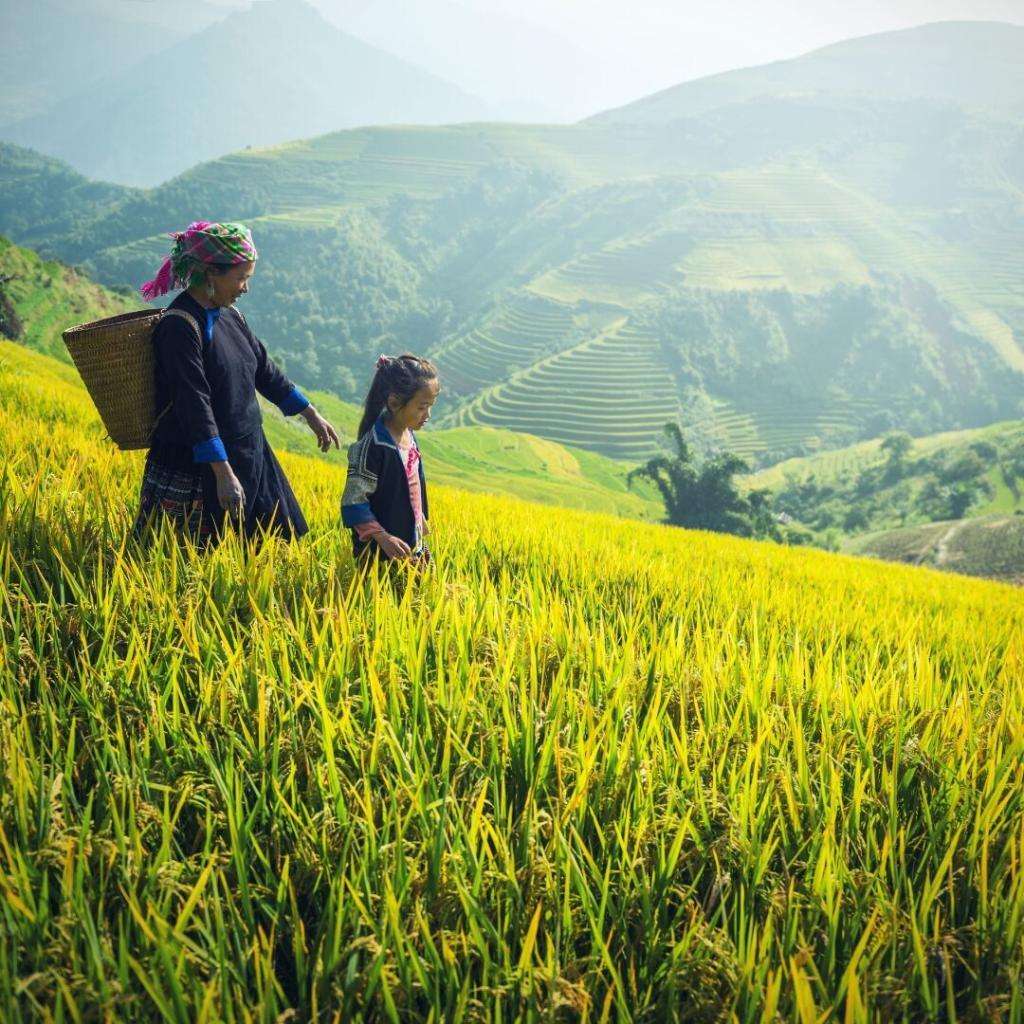
You could get clear mountain views and golden rice fields
Or you could see nothing but fog for 3 days straight.
So timing your visit matters more here than in most parts of Vietnam.
March to May (Spring)
This is when Sapa starts coming back to life after winter.
- Rice fields turn lush green
- Weather is cool but pleasant
- Visibility is usually decent (not guaranteed, but better than winter)
Best for: First-time visitors, photographers, and anyone who wants a balanced experience without extreme weather.
My take:
If you’re not chasing golden rice fields specifically, this is one of the most reliable times to visit.
September to November (Golden Rice Fields Season)
This is peak Sapa.
- Terraced fields turn bright golden
- Views are at their most dramatic
- Weather is cool and relatively stable
Best for: Photography, classic Sapa landscapes.
My take:
If you’ve seen those iconic Sapa photos online, they were probably taken during this time.
June to August (Monsoon Season)
This is where most blogs sugarcoat things. I won’t.
- Heavy rains mean slippery treks
- Frequent fog, so there will be zero visibility days
- Landslides can disrupt plans
Best for: Budget travellers (lower prices), greenery lovers
My take:
Don’t go in peak rains unless you’re okay with seeing absolutely nothing.
Sapa without views will definitely be underwhelming.
December to February (Winter)
Winter in Sapa is very different from the rest of Vietnam.
- Temperatures can drop to near freezing
- Heavy fog means limited visibility
- Occasional frost (rare, but happens)
Best for: Off-season travellers
My take:
Only go during winter if you’re okay trading views for mood. It can feel atmospheric, but it’s not the Sapa most people come for.
So, When Should You Visit Sapa?
- Best overall: March–May or September–November
- Best for golden rice fields: Late September to early October
- Avoid if views matter: Peak monsoon (July–August)
How many days should I spend in Sapa?
I spent 4 days in Sapa, and I feel that’s the minimum anyone should spend during their trip to Sapa. 3-4 days is a comfortable time to go on some Sapa trekking, experience a homestay, visit Sapa markets and still have an extra day to account for flexibility.
If you have a bit more time in hand, I’d suggest adding 6 days to your Vietnam itinerary for the Sapa tour. This allows for further exploration of hidden gems, deeper cultural immersion, and the opportunity to venture on longer and more challenging treks, such as conquering the iconic Fansipan, the highest peak in Indochina.
If you’re looking for a perfect Vietnam itinerary that includes Sapa, reach out to me.
What are the top 10 attractions to visit in Sapa?
1. Fansipan Mountain
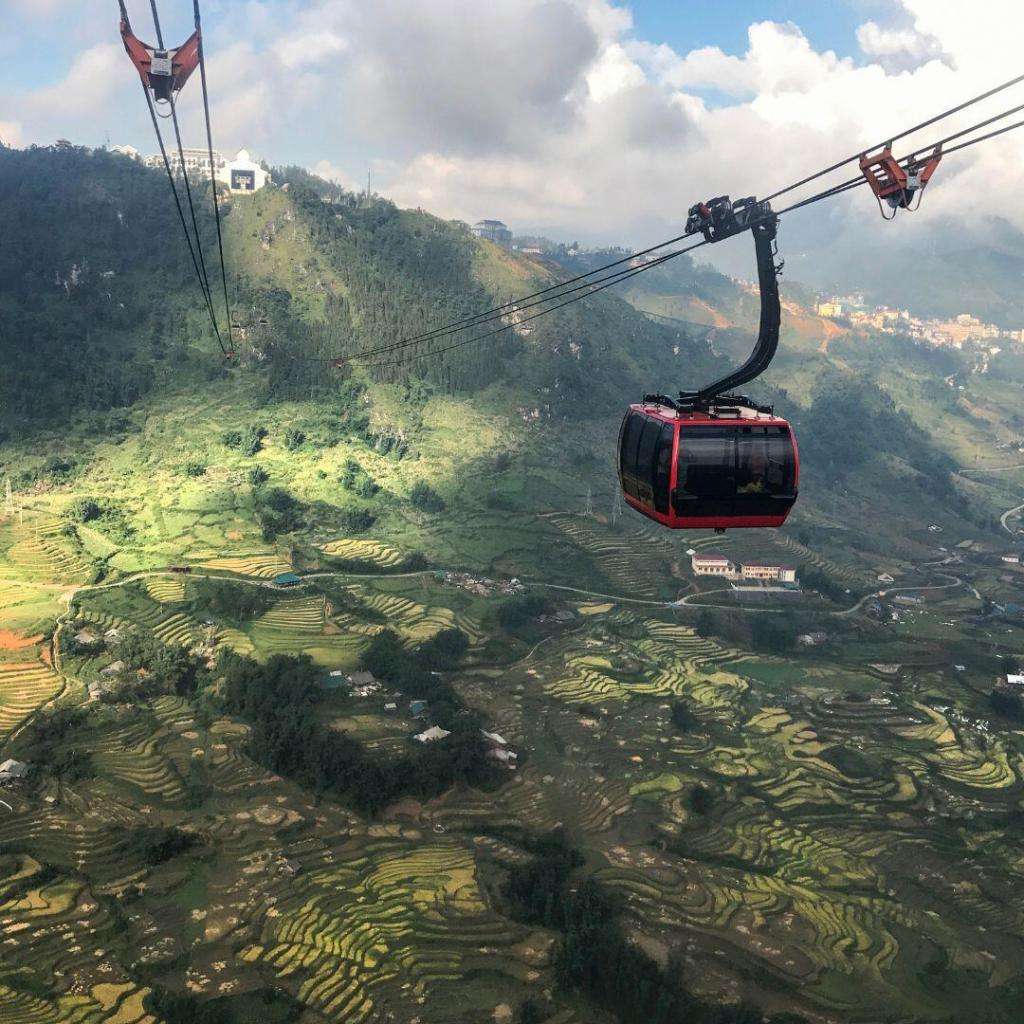
Most travellers come to Sapa Vietnam to conquer the highest peak in Indochina. You can either take the cable car or challenge yourself with a multi-day trek. Cable car fee: VND 700,000 (round trip).
2. Cat Cat Village
Here you can immerse yourself in the rich culture of the H’mong ethnic group at Cat Cat Village. I highly recommend traditional handicrafts, ethnic costumes, and cultural performances.
3. Muong Hoa Valley
Who doesn’t love wandering through the mesmerizing terraced rice fields? In Muong Hoa Valley, enjoy the panoramic beauty and choose from various hiking trails. Don’t miss the opportunity to interact with local ethnic communities along the way.
4. Love Waterfall
Admire the stunning Love Waterfall, named for its romantic aura. Trek through lush forests to reach the waterfall and take in its natural beauty. Be aware of the rainy season when the waterfall is at its most powerful. Entry fee: VND 70,000.
5. Sapa Market
I came across many markets while exploring Vietnam. One such was the Sapa market. Here local vendors sell traditional handicrafts, textiles, fresh produce, and souvenirs. A great place to try some Sapa cuisine.
6. Silver Waterfall
Discover the majestic Silver Waterfall cascading down from the mountains. Enjoy the tranquillity of the surroundings and take memorable photos of this natural wonder.
7. Ta Phin Village
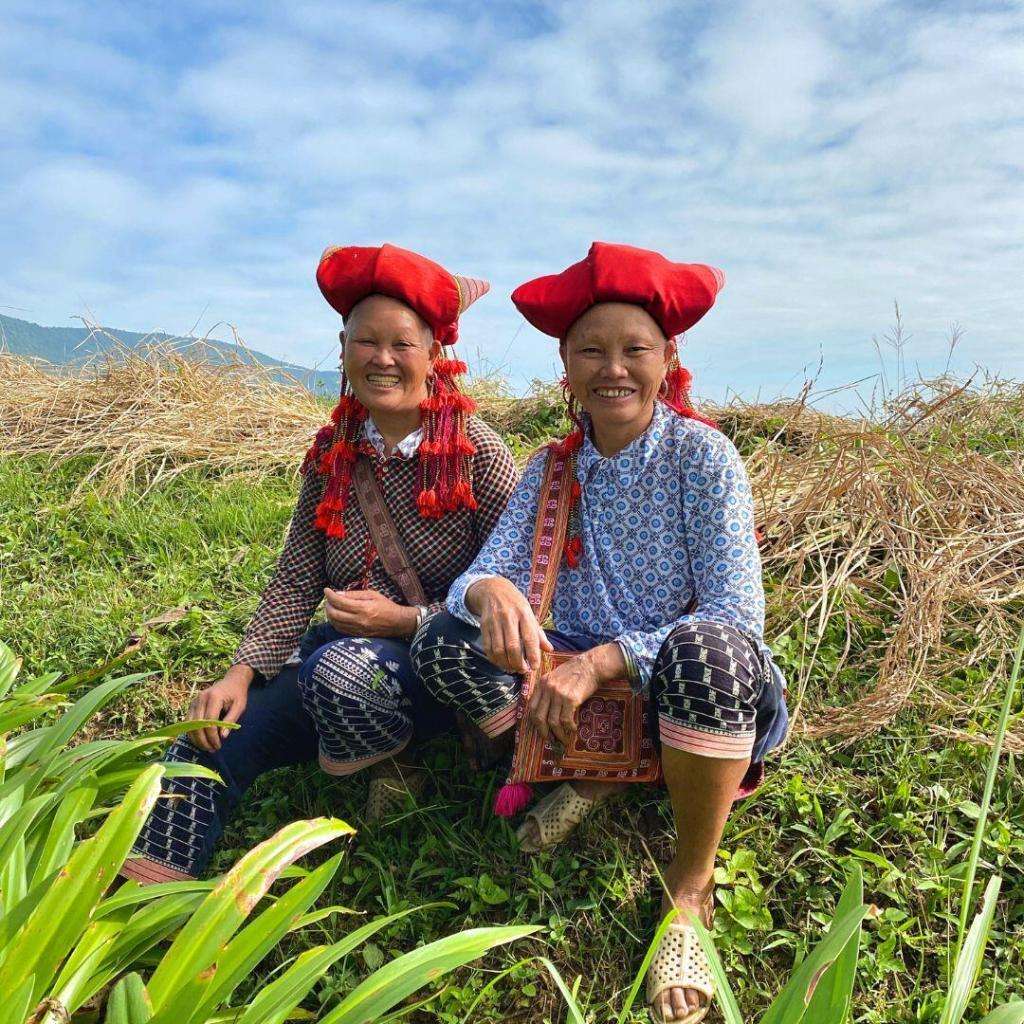
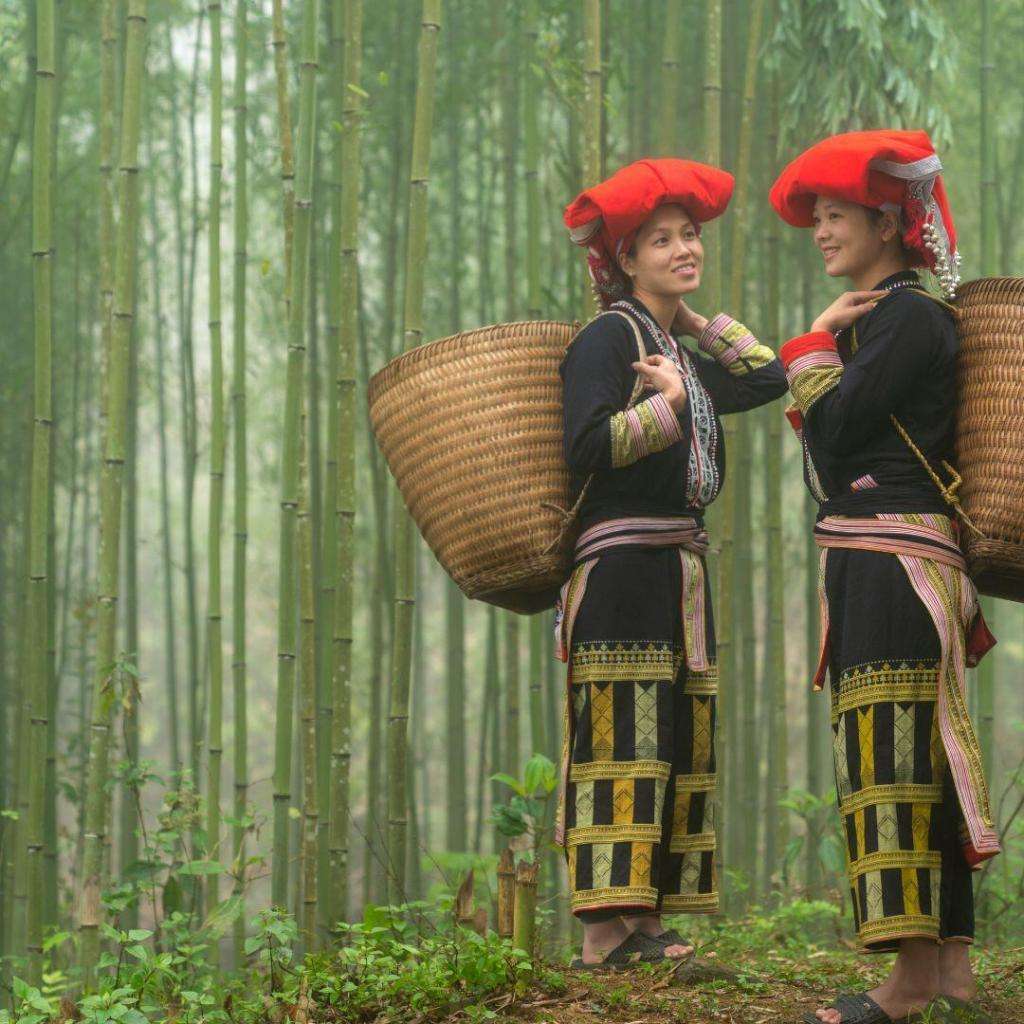
Any Sapa travel guide is incomplete without this! Visit Ta Phin Village to encounter the Red Dao ethnic community. Engage in cultural exchanges, witness their unique customs, and appreciate their traditional textile craftsmanship.
8. Ham Rong Mountain
A great place to click some panoramic images of Sapa town. If extreme Sapa trekking is not for you, take a stroll in the beautiful gardens of Ham Rong Mountain. Admire vibrant flowers, scenic viewpoints, and charming orchid gardens. Entry fee: VND 70,000.
9. Bac Ha Market
Have a couple of extra days on your Vietnam trip? Step outside of Sapa town to experience the Bac Ha Market. Marvel at the colourful display of traditional costumes, handicrafts, and local products. A great place to buy some unique Vietnamese souvenirs.
10. Thac Bac (Silver) Waterfall
Add this to your Sapa hike. Thac Bac Waterfall, also known as the Silver Waterfall is a brilliant trail if you are looking for a waterfall adventure in Sapa Vietnam.
What are the popular trekking routes in Sapa?
When it comes to trekking in Sapa, you have the option to go solo or join a guided tour. If you’re an experienced hiker who loves the thrill of exploring on your own terms, you can definitely tackle these treks independently. Just make sure you’re confident in your navigation skills and take the necessary precautions.
Hiring a local guide is still a good idea for safety and to learn more about the area’s culture. On the other hand, if you prefer a more organized experience with the convenience of transportation, accommodations, and meals are taken care of, signing up for a guided tour is a great choice. They provide knowledgeable guides who can enhance your trekking adventure with their insights and ensure you don’t miss out on any hidden gems.
Ultimately, the choice is yours – whether you prefer the freedom of going solo or the ease of joining a tour, Sapa’s stunning trekking routes await your exploration.
- Cat Cat Village Trek: A relatively easy trek that takes you through scenic landscapes to Cat Cat Village. Immerse yourself in H’mong culture, witness traditional handicrafts, and enjoy breathtaking views of the valley.
- Muong Hoa Valley Trek: This moderate-level trek showcases the beauty of Sapa’s terraced rice fields and ethnic minority villages. Traverse the picturesque Muong Hoa Valley, visit villages like Lao Chai and Ta Van, and interact with locals.
- Fansipan Trek: For the adventurous and physically fit, conquering Fansipan, the highest peak in Indochina, is a must. This challenging trek requires multiple days and offers stunning panoramic views as a reward.
- Ta Phin Village Trek: Explore the beautiful surroundings of Sapa and visit Ta Phin Village, home to the Red Dao ethnic group. Enjoy a moderate-level trek, learn about their traditions, and experience their warm hospitality.
- Silver Waterfall and Love Waterfall Trek: Combine nature and adventure on this trek that takes you to two beautiful waterfalls. Enjoy scenic trails, immerse yourself in the lush greenery, and witness the power and beauty of the waterfalls.
- Heaven’s Gate Trek: Embark on a moderate trek to Heaven’s Gate (Tram Ton Pass), the highest mountain pass in Vietnam. Marvel at the stunning views of the surrounding mountains and valleys.
- Bac Ha Trek: Venture out of Sapa to Bac Ha and embark on a trek that combines breathtaking landscapes with visits to ethnic minority markets. Experience the vibrant culture, encounter different ethnic groups, and immerse yourself in the local traditions.
Where to Stay in Sapa (Town vs Villages)
Where you stay in Sapa changes the entire trip.
You can either stay in Sapa Town, where everything is easy and convenient, or stay in villages like Ta Van and Lao Chai, where the views are better, the pace is slower, and Sapa actually starts to feel like Sapa. Ta Van and Lao Chai are among the best-known village areas for trekking, rice terraces, and local cultural stays.
If you choose the wrong base, the trip can feel either too hectic or too disconnected.
Stay in Sapa Town (Best for Convenience)
Sapa Town is the practical choice.
This is where you’ll find the highest concentration of hotels, cafés, restaurants, shops, and transport connections. It’s the easiest base if you’re arriving late, leaving early, or don’t want to deal with extra logistics.
Stay here if:
- You’re in Sapa for a short trip
- You want easy access to restaurants, cafés, and transport
- You don’t want to rely on transfers to get in and out
- You prefer a hotel setup over a homestay-style stay
Trade-offs:
- It can feel busy and a little overdeveloped
- You’re closer to convenience, but farther from the “wow” part of Sapa
- You’ll likely still leave town for the best trekking and views
Stay in Sapa Town if you want things to be easy. It works well for 2-night trips, first-timers, or anyone who values convenience over atmosphere.
Stay in Ta Van or Lao Chai (Best for the Experience)
If you want Sapa to feel slower, prettier, and more immersive, stay in the villages.
Ta Van and Lao Chai are known for their terraced rice fields, trekking routes, and local ethnic-community stays. They sit outside the main town and are much closer to the version of Sapa most people imagine when they book the trip.
Stay here if:
- You want views from your stay, not just during the trek
- You like homestays, slower mornings, and quieter surroundings
- You’re doing multiple treks
- You care more about atmosphere than convenience
Trade-offs:
- Getting around takes more planning
- You won’t have as many food and café options right outside
- It’s less convenient if you’re carrying lots of luggage or arriving very late
This is where I’d stay if I had 3 or more days in Sapa. The villages feel less transactional and more rooted in the landscape. That matters here.
So, Where Should You Stay in Sapa?
- Short trip, convenience-first stay in Sapa Town
- Longer trip, experience-first choose Ta Van or Lao Chai
- Best balance then go for 1 night in town + 1–2 nights in a village
My recommendation:
If you have the time, don’t stay only in Sapa Town. It’s practical, yes. But the villages are where the trip gets its soul.
Are there homestay options available in Sapa?
Yes, Sapa offers wonderful homestay experiences for travellers seeking an immersive cultural encounter. After all, travelling in Sapa is all about cultural experiences! It’s a fantastic way to forge connections, gain insights into local life, and create lasting memories.
I recommend booking the homestays in advance, especially if you are travelling in peak season. Also, be a responsible traveller, these communities are opening up their homes to tourists, let’s be kind to them.
What are the must-try local dishes in Sapa?
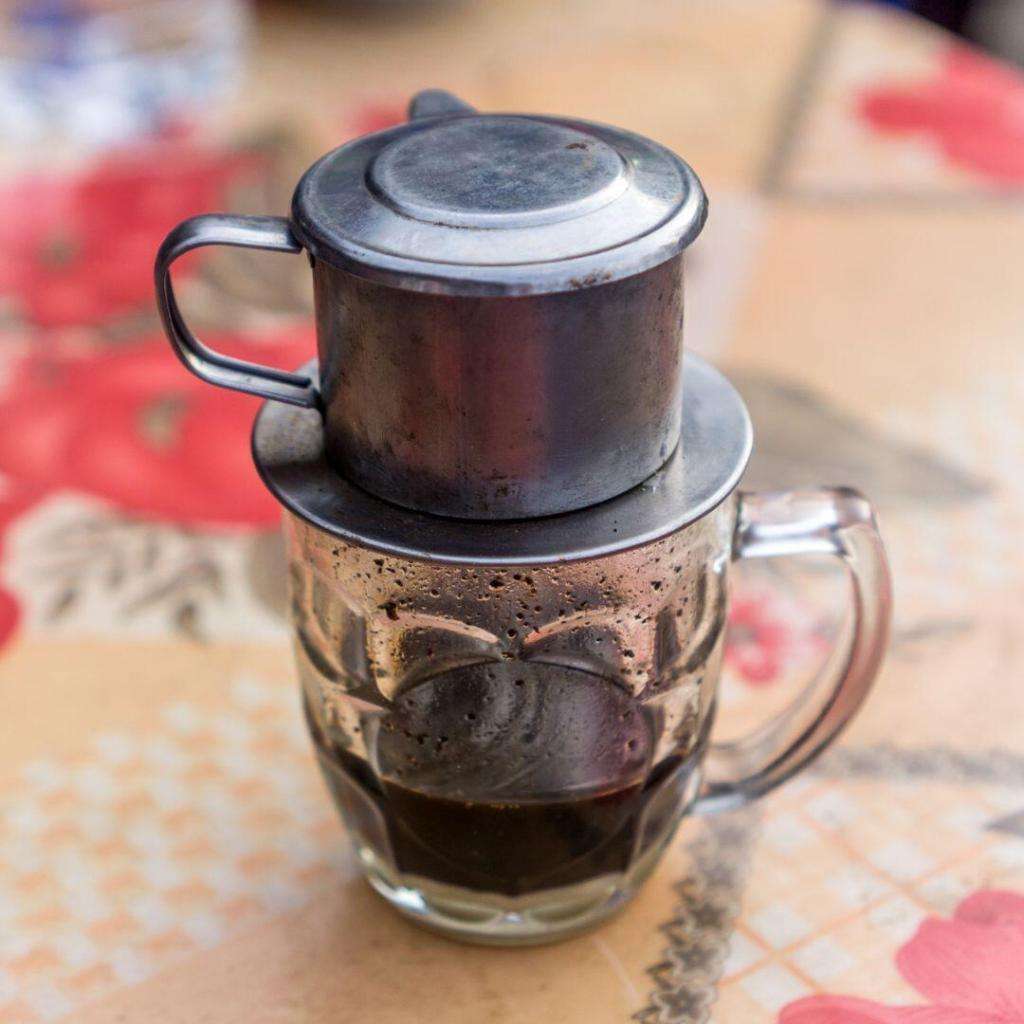
My Sapa travel guide is incomplete without mentioning the brilliant Sapa food! During my time in Sapa, I tried a bunch of vegetarian Vietnamese dishes. These are either inherently vegetarian or the locals have adapted them to be vegetarian-friendly.
Here are some of my recommended dishes from Sapa Food:
- Thang Co: This traditional speciality is a hearty soup made with horse meat (which can be substituted with beef) and a blend of local herbs and spices. While it may not be suitable for vegetarians, it is a popular dish among meat lovers in Sapa.
- Com Lam: Com Lam is a unique dish made of sticky rice cooked inside bamboo tubes. The aromatic flavour of the bamboo infuses into the rice, creating a delicious and fragrant treat. It’s often served with grilled vegetables or tofu, making it an excellent vegetarian option.
- Mien Tron: Mien Tron is a noodle salad dish featuring glass noodles tossed with fresh herbs, vegetables, and sometimes tofu or mushrooms. The combination of textures and flavours makes it a refreshing and satisfying choice for vegetarians.
- Xoi Xeo: Xoi Xeo is a savoury sticky rice dish topped with fried onions, roasted peanuts, and sometimes mung bean paste. It’s a popular street food snack and can be enjoyed as a vegetarian option by skipping any meat toppings.
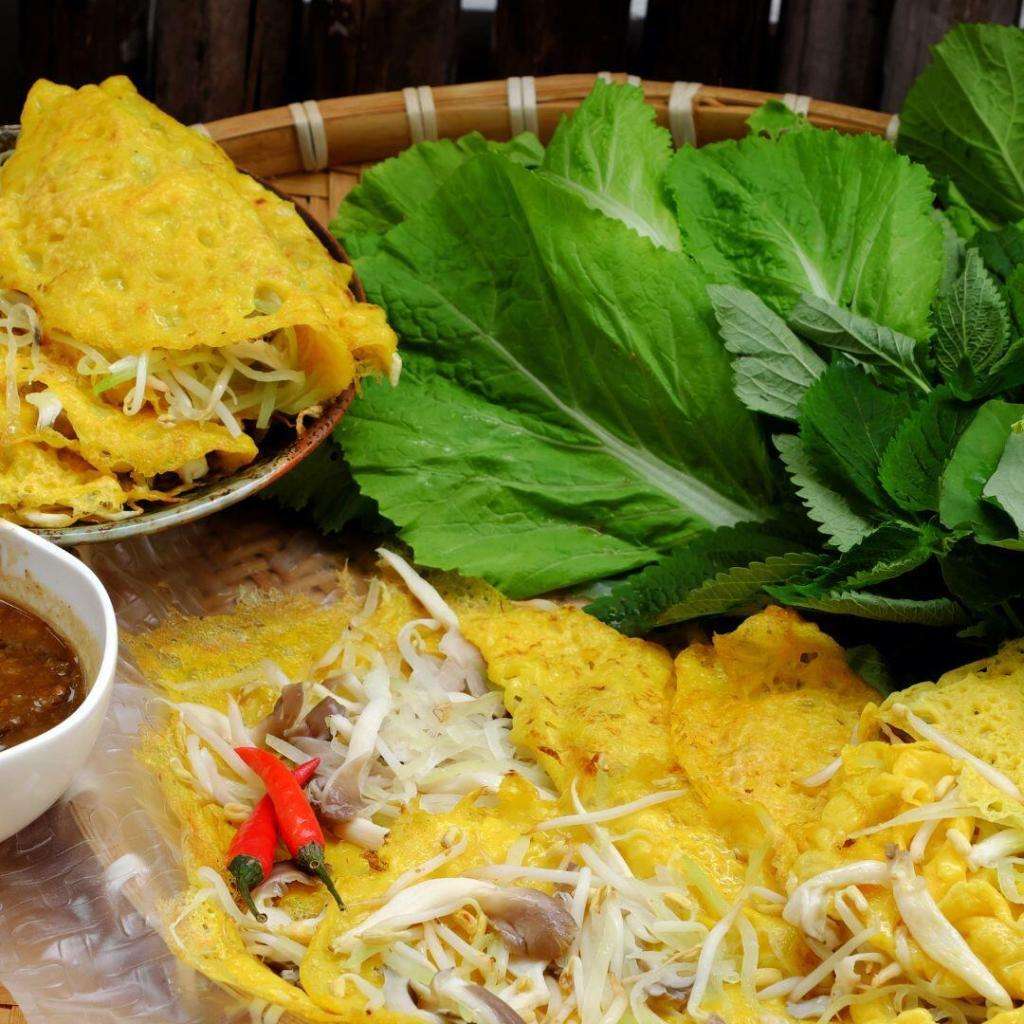
- Banh Cuon: Banh Cuon is a delicate rice noodle roll filled with various ingredients like mushrooms, tofu, and herbs. It’s typically served with a side of sweet and tangy dipping sauce. Vegetarians can enjoy the version without meat fillings.
- Chayote Leaves Stir-fry: Chayote leaves, locally known as “su su,” are a popular ingredient in Sapa cuisine. They are often stir-fried with garlic, ginger, and soy sauce, resulting in a flavorful and nutritious vegetarian dish.
Next up on my Sapa travel guide is the average daily cost of travelling to Sapa.
What is the average daily budget for a trip to Sapa?
Now, let’s dive into the burning question of how much a trip to Sapa would cost. The average daily budget for a Sapa trip can vary depending on your travel style, preferences, and the activities you plan to do. During my visit to Sapa, I found that an average daily budget of 900,000 VND worked well for me. I opted for budget-friendly accommodations, ate at local vegetarian and vegan restaurants, and went on a couple of Sapa treks.
To assist you in planning your Sapa travel expenses, here are approximate daily budgets for different travel ranges:
Budget Travel in Sapa
300,000 – 500,000 VND per day (~₹1,000 – ₹1,700)
This is for travellers prioritising cost-saving over comfort.
Typical costs:
- Stay: 150,000 – 300,000 VND (~₹500 – ₹1,000)
- Meals: 50,000 – 100,000 VND (~₹170 – ₹350)
- Transport: 50,000 – 100,000 VND (~₹170 – ₹350)
- Attractions: 20,000 – 50,000 VND (~₹70 – ₹170)
- Misc: ~50,000 VND (~₹170)
Realistic daily total: ~₹1,000 – ₹1,700
Basic stays, local food, mostly free activities. Works well if you’re comfortable keeping things simple.
Mid-Range Travel in Sapa
800,000 – 1,500,000 VND per day (~₹2,700 – ₹5,000)
This is where most travellers fall.
Typical costs:
- Stay: 500,000 – 1,000,000 VND (~₹1,700 – ₹3,300)
- Meals: 200,000 – 400,000 VND (~₹700 – ₹1,300)
- Transport: 100,000 – 300,000 VND (~₹350 – ₹1,000)
- Attractions / treks: 100,000 – 500,000 VND (~₹350 – ₹1,700)
- Misc: 50,000 – 200,000 VND (~₹170 – ₹700)
Realistic daily total: ~₹2,700 – ₹5,000
Comfortable stays, better food options, guided treks, and a more relaxed pace.
Luxury Travel in Sapa
2,000,000 – 5,000,000+ VND per day (~₹6,700 – ₹16,500+)
Sapa has some beautiful high-end stays, especially outside town.
Typical costs:
- Stay: 1,500,000 – 4,000,000+ VND (~₹5,000 – ₹13,500+)
- Meals: 800,000 – 2,000,000+ VND (~₹2,700 – ₹6,700+)
- Transport: 500,000 – 1,000,000+ VND (~₹1,700 – ₹3,300+)
- Experiences: 500,000 – 1,500,000+ VND (~₹1,700 – ₹5,000+)
Realistic daily total: ₹6,700 – ₹16,500+
Resorts with views, curated experiences, private transfers, and minimal effort planning.
So, What Should You Budget for Sapa?
- Budget trip (3 days): ₹3,000 – ₹5,000
- Mid-range trip (3 days): ₹8,000 – ₹15,000
- Luxury trip (3 days): ₹20,000+
Needless to say, these are average daily budgets and can vary based on personal preferences, exchange rates, and the duration of your stay. It’s always a good idea to plan your budget in advance and allocate funds accordingly to make the most of your Sapa trip.