
Estimated reading time: 23 minutes
Before I get into all the cool and genuinely worthwhile things to do in Da Nang, let me tell you how I first landed here.
I didn’t come to Da Nang because it was on my dream list. I came because it sat awkwardly between Hoi An and Hue, and I needed a place to pause. The internet told me it was “Vietnam’s most liveable city,” which honestly sounded boring. Liveable usually means clean sidewalks, functioning traffic lights, and nothing that really grabs you by the collar.
I arrived expecting a beach town with resorts and influencers doing sunrise yoga. What I got instead was a wide, surprisingly orderly city with big roads, strong coffee, the smell of grilled seafood everywhere, and a very expat energy.
So if you’re wondering what to actually do here, beyond ticking off the obvious, don’t worry. I’ve got you.
After spending time wandering, eating, crossing bridges for no reason, and watching locals live their very regular, very good lives, here are 40 seriously cool things to do in Da Nang.
For the Adventurous Traveller
My Khe Beach
Let’s address the obvious first. My Khe Beach shows up on those “best beaches in the world” lists often enough to make anyone sceptical. Usually, that kind of ranking comes with crowds, inflated prices, and an atmosphere that feels slightly staged. My Khe somehow avoids most of that.
The beach itself is long, wide, and surprisingly well-kept for how central it is. There’s space to breathe here. Early mornings are my favourite time. Around sunrise, the beach belongs almost entirely to locals. You’ll see older men swimming steady laps in the sea, groups doing tai chi or aerobics on the sand, and vendors setting up quietly for the day.
By late afternoon, the energy shifts. Families arrive with kids. Couples walk barefoot along the shoreline. Snack sellers roll in with carts selling fresh fruit, grilled corn, and iced drinks. It’s lively, but never chaotic.
A word of warning: midday is unforgiving. The sun is harsh, the sand reflects heat aggressively, and there’s very little shade. This is not the time to power through. Come early, leave, and return later. Also, don’t overthink beach clubs. You’ll see plenty, but you don’t need them. A plastic chair, a cold drink from a nearby stall, and the sea breeze are more than enough here. My Khe works best when you let it be simple.
Son Tra Peninsula
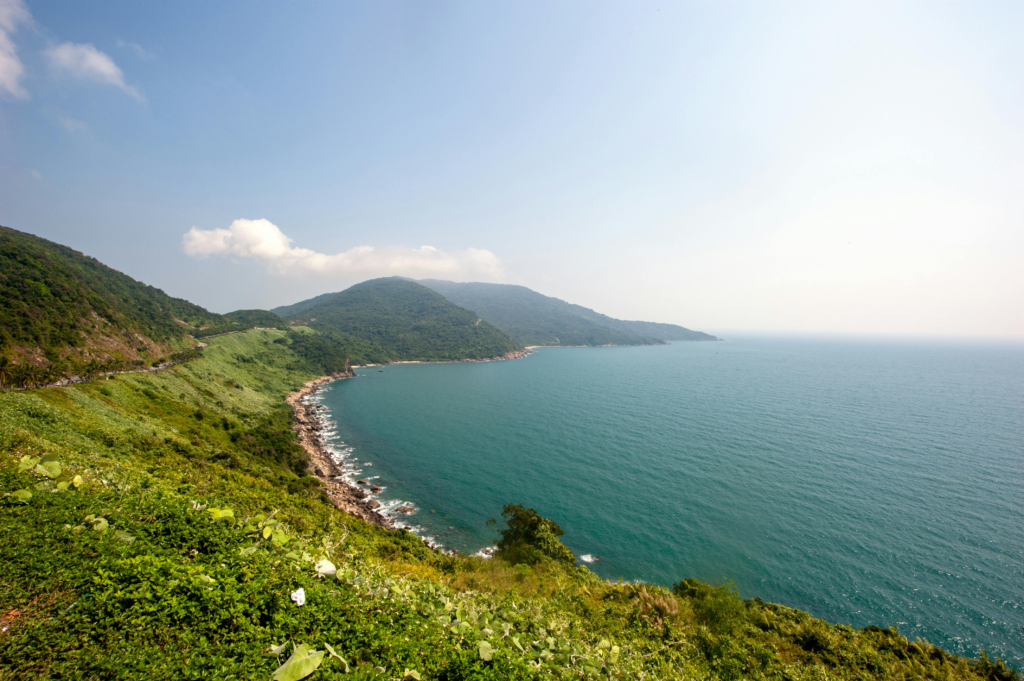
If Da Nang has a wild, untamed side, this is it. Son Tra Peninsula feels like it exists in parallel to the city below. One moment you’re on a clean, wide road with cafes and hotels, and the next you’re climbing into dense forest, surrounded by greenery, silence, and sharp curves that demand your attention.
If you plan to ride a scooter here, be honest with yourself about your confidence level. The roads are well-paved, but the drops are steep and the curves tight. If you’re unsure, hire a driver. You’ll still get the experience without the stress.
Pull over when a view catches your eye. Look down at the city stretching along the coast below you.
Linh Ung Pagoda and the Lady Buddha
You’ll see the Lady Buddha long before you reach her. She stands tall on the Son Tra Peninsula, visible from beaches, bridges, and large parts of the city.
The Linh Ung Pagoda complex itself is spacious and thoughtfully laid out. Even when there are visitors, it rarely feels crowded. Dress modestly, remove your shoes where required, and slow down.
What makes this spot special is not just the statue, but the setting. From the grounds, you get sweeping views of the sea and the city below. It’s a good place to pause, sit for a while, and simply look out. The atmosphere is calm without being overly curated or touristy. It feels like a place that locals genuinely come to, not one built solely for visitors.
If you’re already exploring Son Tra, this stop fits naturally into the route. Come earlier in the day if possible, before the heat builds up.
Paragliding Over Son Tra
For travellers who want a real adrenaline hit, paragliding over Son Tra offers one of the most striking perspectives in Da Nang. From above, the city suddenly makes sense. The curve of the coastline. The river cuts through the urban grid. The forested hills rise sharply from the sea.
This experience isn’t cheap, and it’s not something you do casually. Weather conditions matter, and flights are usually dependent on wind and visibility. But if conditions are right, it’s unforgettable. For a few minutes, you see Da Nang not as streets and neighbourhoods, but as a whole. Forest, city, river, and ocean all stitched together.
If you’re someone who likes your travel moments slightly heart-racing and deeply visual, this one is worth considering.
For the Architecture and History Buff
Museum of Cham Sculpture
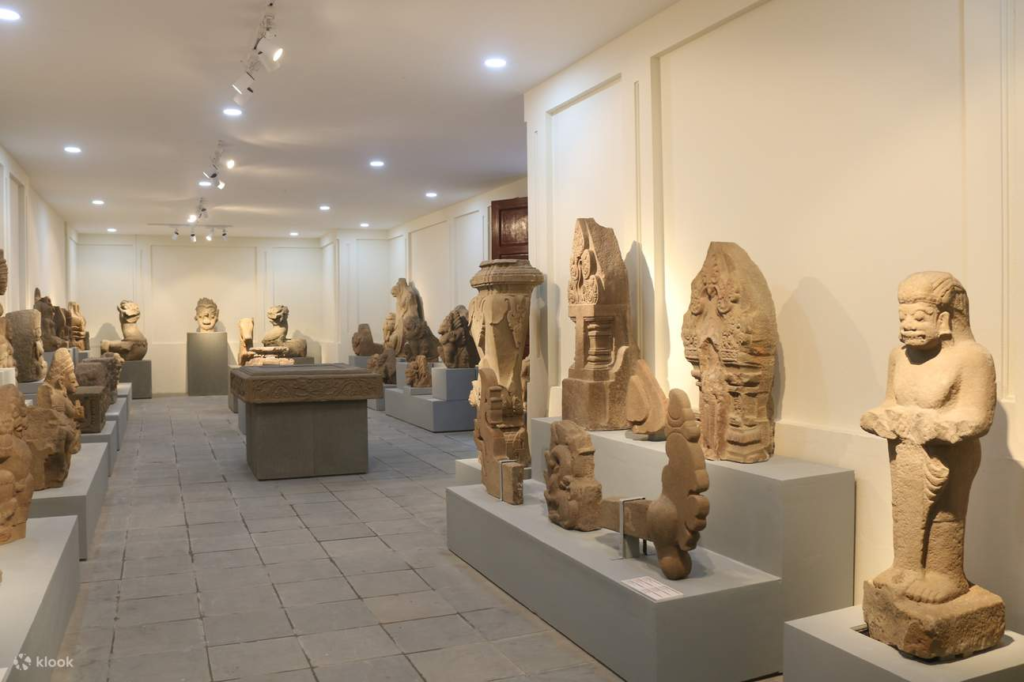
If you visit only one museum in Da Nang, make it this one. Not because it’s flashy or interactive, but because it quietly explains a huge part of what you’re seeing across central Vietnam.
The Cham civilisation ruled large parts of this region for centuries, long before Vietnam as we know it took shape. Their temples, towers, and spiritual symbols still appear across Da Nang, Hoi An, and My Son. This museum gives you the background you didn’t know you were missing. Once you visit, the carvings and ruins you encounter later suddenly make sense instead of feeling like random relics.
The museum itself is not large, but it’s dense. The museum is centrally located and easy to combine with a walk along the Han River or nearby bridges. Come earlier in the day if possible, before museum fatigue sets in.
Dragon Bridge
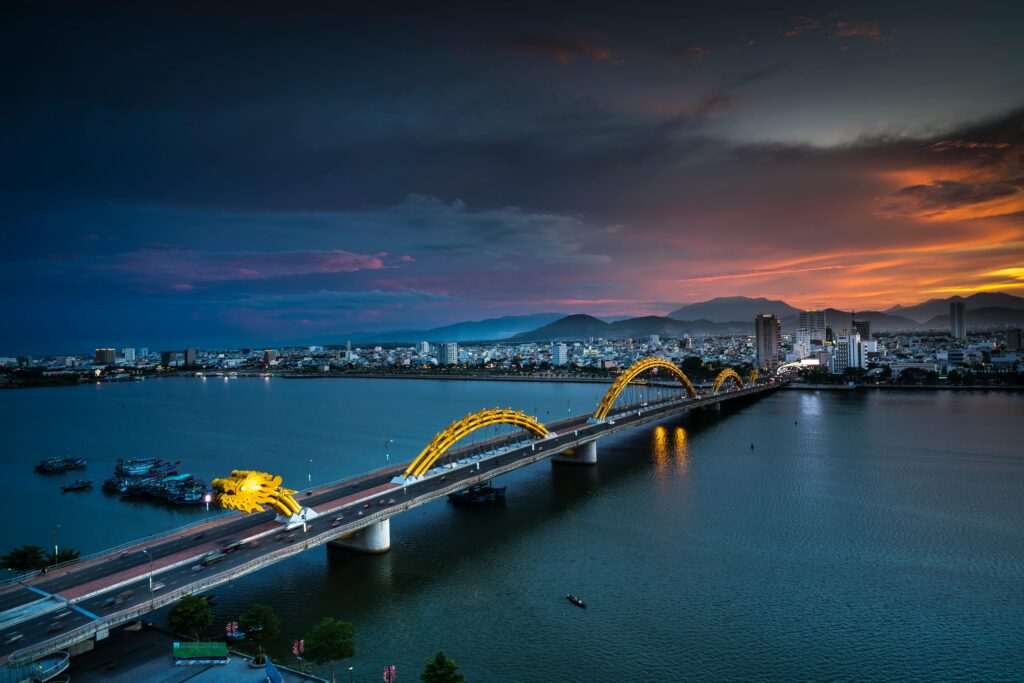
Yes, it breathes fire. And water. And yes, it’s slightly ridiculous. But Dragon Bridge is one of those things you should see precisely because of how unapologetically it leans into spectacle.
On weekend nights, the bridge becomes a communal event rather than an attraction. Locals start gathering early. Kids get hoisted onto shoulders. Vendors appear selling snacks, toys, and glowing trinkets. Phones come out, even though most people have seen this dozens of times before. When the dragon finally breathes fire, the crowd reacts like it’s the first time, every time.
That’s the charm. The bridge itself is impressive in scale and design, but what makes it special is the shared ritual around it. It’s a reminder that cities aren’t just made of buildings and infrastructure, but of moments people show up for together.
A tip: arrive a bit early to get a good spot along the river or on the bridge itself. And don’t stress about the perfect photo. This is better experienced in real time than through a screen.
Han River Bridges
Da Nang’s relationship with its bridges is oddly endearing. Instead of blending into the background, the bridges here feel like active characters in the city’s daily life. Each one has its own design, lighting, and personality, and together they give the riverfront a strong sense of place.
In the evenings, the Han River becomes one of the city’s most pleasant spaces. Couples stroll hand in hand. Teenagers gather in groups, half talking, half scrolling. Families bring kids out for fresh air. Nobody seems rushed. Nobody seems stressed. It’s everyday life unfolding gently.
Walking along the river at night is one of the simplest and most rewarding things you can do in Da Nang. If you want to understand why Da Nang is often described as “liveable,” this is where it clicks.
For the Curious Wanderer
Con Market
Con Market is busy, loud, and unapologetically local. This is where Da Nang actually eats and shops, not where it performs for visitors. The first thing you’ll notice is the noise. Vendors calling out. Metal clanging. Plastic bags rustling. The smell of frying oil, fresh herbs, seafood, and something sweet all at once. It can feel overwhelming in the first few minutes, and that’s normal.
This is not a curated market. Nothing here is trying to look pretty. Aisles are narrow. Stalls spill into each other. People move quickly and expect you to do the same.
Eat something fried. That’s usually a safe bet. Drink something cold and sweet to balance the heat. Watch how people order, eat, and move on. A word of caution: this is not the place to overthink hygiene or chase “authentic souvenirs.” Come to observe, snack lightly, and absorb the energy. Accept that you won’t understand half of what’s happening around you. That confusion is part of the experience, not a flaw.
Helio Night Market
If Con Market feels a bit too intense, Helio Night Market is the easier, more relaxed alternative. It’s organised, spacious, and designed for lingering rather than hustling. This is where Da Nang’s younger crowd comes to eat, hang out, and unwind after work.
Food stalls are laid out neatly, menus are clearer, and there’s usually music playing somewhere in the background. You’ll find a mix of local street food and more playful, modern snacks. It’s lively without tipping into chaos, and crowded without feeling claustrophobic.
Helio works well if you want an easy evening with options. You can arrive without a plan, walk a few loops, eat whatever catches your eye, and leave when you’re full. It doesn’t demand much from you, which makes it a good contrast to more intense local markets. Come hungry, go slow, and don’t feel pressured to try everything at once.
Hai Chau Streets
Some of my favourite moments in Da Nang happened in Hai Chau, and none of them was planned. This is where the city feels most itself.
Wander these streets without a goal. You’ll pass small bakeries selling warm bread in the morning, repair shops with doors wide open, and cafes hidden behind curtains or potted plants. Some places look closed until you step closer. Others reveal themselves only when you hear the sound of coffee dripping or dishes clinking inside.
This is not a neighbourhood you “do.” It’s one you move through slowly. Look up. Look into doorways. Notice how people use the space. If you’re the kind of traveller who enjoys feeling like you’re briefly part of a place rather than touring it, Hai Chau rewards that mindset. No highlights. No must-sees. Just the city being itself, and that’s more than enough.
For the Chill Traveller
Beachfront Cafes on Vo Nguyen Giap
Da Nang does beachfront cafes extremely well, and it does them without fuss. Along Vo Nguyen Giap, cafes sit facing the sea. Order a coffee. Or a coconut. Or both. Sit facing the water and do absolutely nothing productive. Watch the sea change colour as the light shifts.
Mornings are quiet and gentle, with the beach waking up slowly. Afternoons feel drowsy and sun-heavy. Evenings bring a soft breeze and that golden-hour glow. This is one of the easiest places in Da Nang to lose track of time, and that’s the point. If you’re tired, mentally or otherwise, this stretch of road does you good.
Spa and Massage
Vietnam does massages incredibly well, and Da Nang is no exception. Prices are reasonable, the quality is consistently good, and you don’t need to hunt for luxury to have a genuinely restorative experience.
Look for clean, simple places rather than glossy spa complexes with long menus and mood lighting. The best massages here often happen in modest spaces with straightforward offerings. Foot massage, body massage, maybe herbal compress if you’re curious. Nothing complicated.
A foot massage after a long walking day in Da Nang feels especially deserved. Your legs have worked. The heat has taken its toll. Sitting back in a cool room while someone patiently undoes the tension is one of the simplest pleasures the city offers. You’ll walk out lighter, slower, and far more inclined to call it an early night.
Yoga and Slow Mornings
Da Nang lends itself naturally to slow mornings. The city wakes up early, but it doesn’t feel frantic. There are several yoga studios and wellness spaces scattered around the city, many offering classes near the beach or in airy, light-filled rooms.
Even if yoga isn’t normally your thing, the setting here changes the experience. Open spaces, sea air, and a general sense of calm make it easier to stay present. There’s less pressure to perform, less focus on flexibility or form, and more emphasis on breathing and grounding.
Pair a morning class with a long coffee afterwards. Sit somewhere quiet. Let the day unfold without forcing it into shape. Da Nang is generous to travellers who slow down, and this is one of the best ways to meet the city at its own pace.
For the Lover of Food
Mi Quang
Mi Quang is Da Nang’s signature dish, and once you’ve eaten it the way locals do, it stops feeling like just another regional noodle and starts feeling like a point of pride. At first glance, it looks almost unfinished. Thick yellow noodles. A very small amount of broth. A scattering of herbs, peanuts, maybe shrimp, pork, or chicken. But Mi Quang is deliberate in its restraint.
Mi Quang is a morning dish. Locals eat it for breakfast or a late morning meal, not dinner. Follow their lead. Some dependable places include Mi Quang Ba Mua, which has several branches and offers a consistently good introduction, and Mi Quang 1A on Hai Phong Street, an old-school favourite that fills up early and quietens down by noon.
A quick rule of thumb: avoid places with long English menus and photos of every dish. The best Mi Quang spots usually specialise in one or two versions, serve fast, and don’t linger on presentation. Sit down. Eat. Leave satisfied.
Bun Cha Ca
Bun Cha Ca is comfort food in its purest form. Fish cake noodle soup doesn’t sound exciting on paper, but this might change your mind.
The broth is light, slightly sweet, and deeply savoury without being overwhelming. The fish cakes are soft and springy, absorbing flavour without falling apart. You customise the bowl yourself with herbs, chilli, and citrus, adjusting it exactly to your mood.
This is the dish you eat on cooler evenings, tired days, or when decision fatigue has set in. You’ll find Bun Cha Ca all over Da Nang. Two reliable spots are Bun Cha Ca Ba Lu, known for its clean, balanced broth, and Bun Cha Ca Ong Ta, which feels more local and no-frills.
Seafood by the Beach
One of Da Nang’s greatest pleasures is eating seafood by the beach, and it’s best approached with minimal planning and very little overthinking. Along the coastline, you’ll see plenty of open-air restaurants with tanks out front, filled with fish, prawns, clams, and crabs.
Places like Be Man Seafood near My Khe Beach are popular for a reason. It’s lively, fresh, and straightforward. Nam Danh Seafood offers a slightly calmer experience while still focusing on quality over theatrics.
A word of advice: skip places that feel overly staged or aggressively “luxury.” Plastic chairs and open kitchens are not red flags here. They’re often where the best meals happen.
Coffee Culture
Vietnamese coffee needs no introduction, but Da Nang’s cafe scene deserves attention for how naturally it balances tradition and modernity
Start with the classics. A slow-dripping phin filter. Dark, intense coffee. Condensed milk added to taste. Ice if you need it. Then branch out. Da Nang has a growing number of modern cafes that take their craft seriously without feeling pretentious.
43 Factory Coffee Roaster is often cited as the city’s standout. Minimalist, spacious, and deeply focused on quality. NAM House Café offers a calmer, design-forward setting.
For something more everyday and nostalgic, Cong Caphe still works well. It bridges the gap between local habit and visitor comfort. And then there are the countless neighbourhood cafes you’ll stumble upon without names you can pronounce or remember. Tiny stools. Locals sitting for hours.
For the Off-the-Beaten-Track Explorer
Marble Mountains (Ngu Hanh Son)
Yes, the Marble Mountains are touristy. And yes, they’re still worth it. Both things can be true.
This cluster of five limestone and marble hills sits just outside Da Nang, and at first glance, it can feel like a classic “everyone comes here” stop. Ticket booths, signboards, souvenir stalls. But once you start climbing and ducking into the caves, the experience changes.
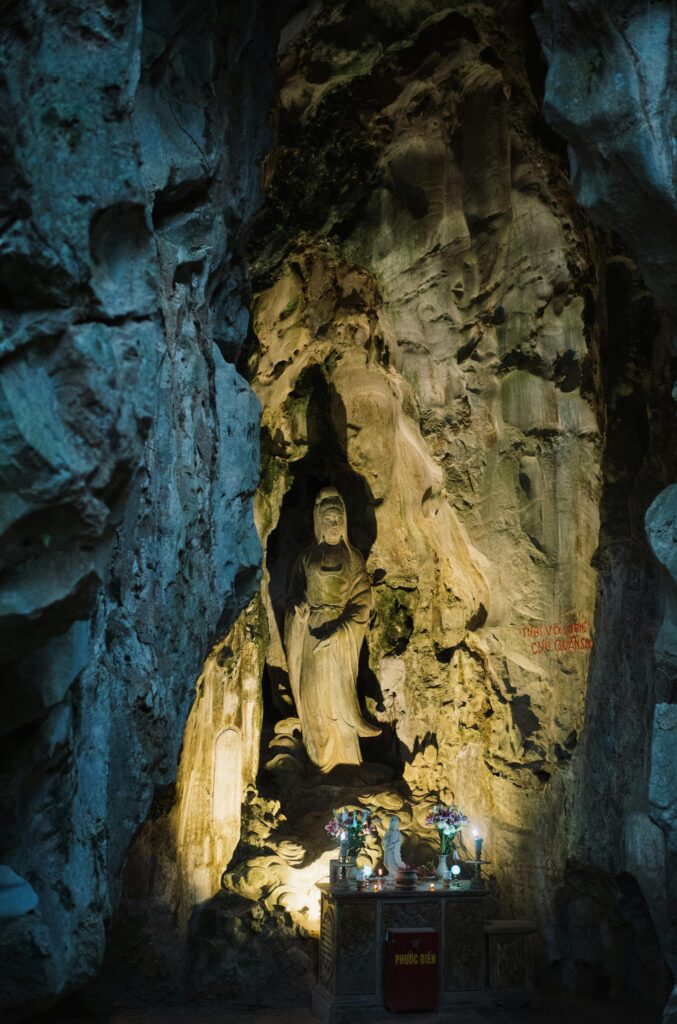
The mountains are layered. Pagodas tucked into rock faces. Staircases that open suddenly into caverns lit by shafts of natural light. Incense smoke drifts lazily through stone chambers.
Go early. Really early, if you can. The heat builds fast, and so do the crowds. Wear proper shoes. The steps can be uneven and slippery, especially inside caves. Take your time. Sit for a moment inside the larger caverns and let your eyes adjust. The views from the upper levels, looking out toward the coast, are genuinely rewarding.
You don’t need to see everything. Pick a route, explore a few caves and pagodas properly, and leave before fatigue sets in. The Marble Mountains reward patience more than endurance.
Fishing Villages Near Son Tra
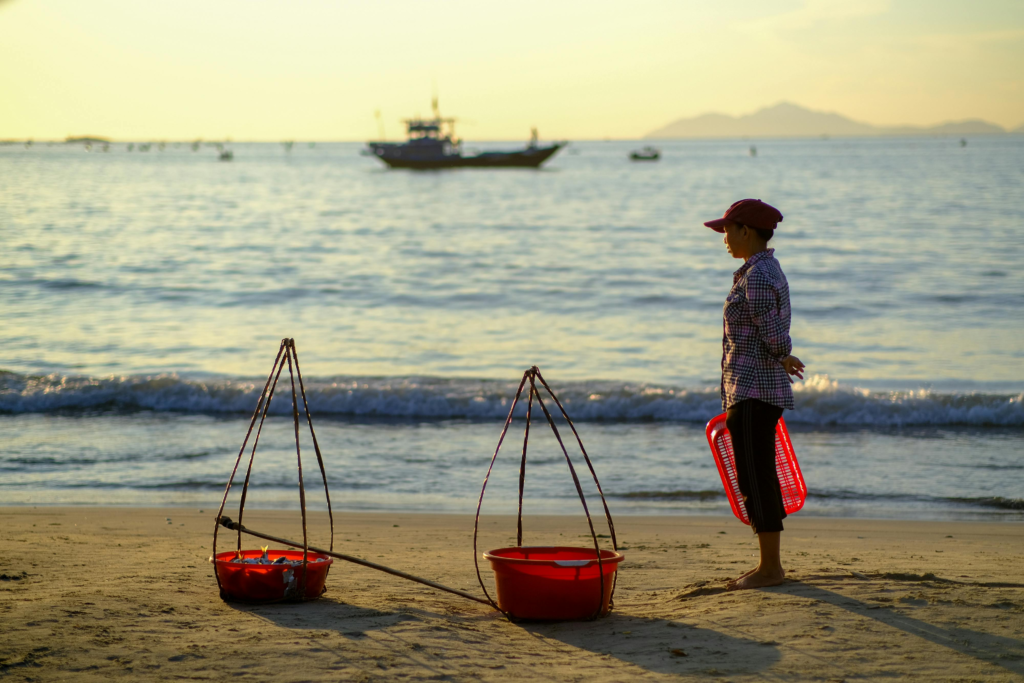
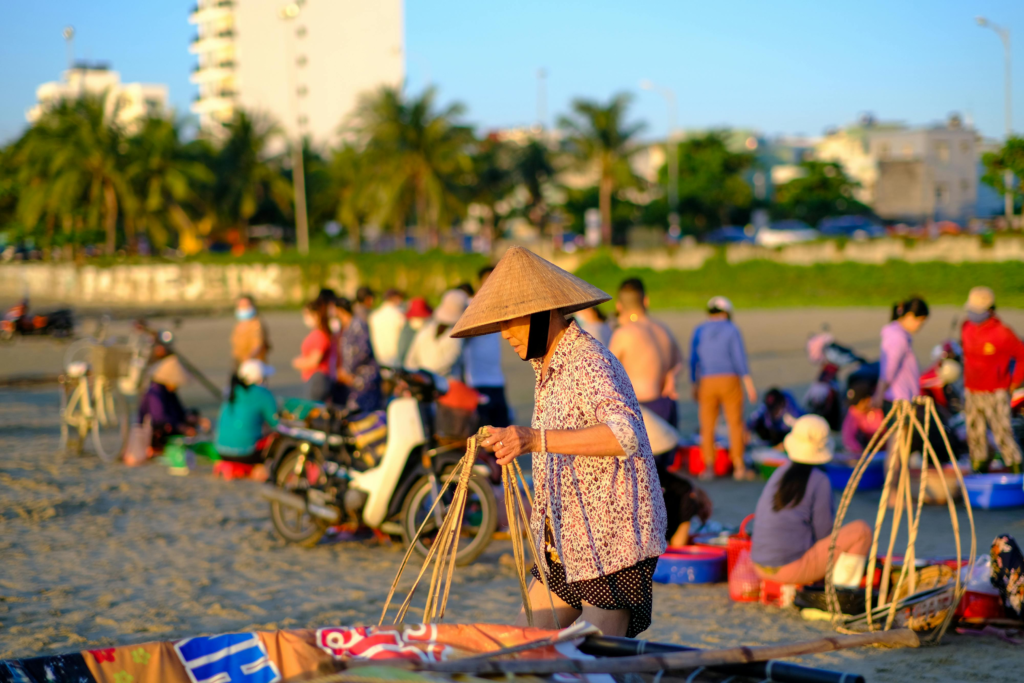
Beyond the polished roads and viewpoints of Son Tra Peninsula, there are pockets of everyday life that still move to a very different rhythm. Small fishing villages hug the edges of the peninsula, especially on the quieter sides closer to the water.
Early morning is when these places feel most alive. Boats returning. Nets are being sorted. Fish laid out to dry. A great spot if you are into photography.
If you’re exploring Son Tra by scooter or with a driver, take small detours toward the coast. Slow down when you see clusters of boats or open yards with fishing gear spread out.
Be respectful. Ask before photographing people. These moments feel meaningful precisely because they’re not curated for visitors. You’re stepping briefly into someone else’s daily routine. Treat it as such.
Smaller Neighbourhood Pagodas
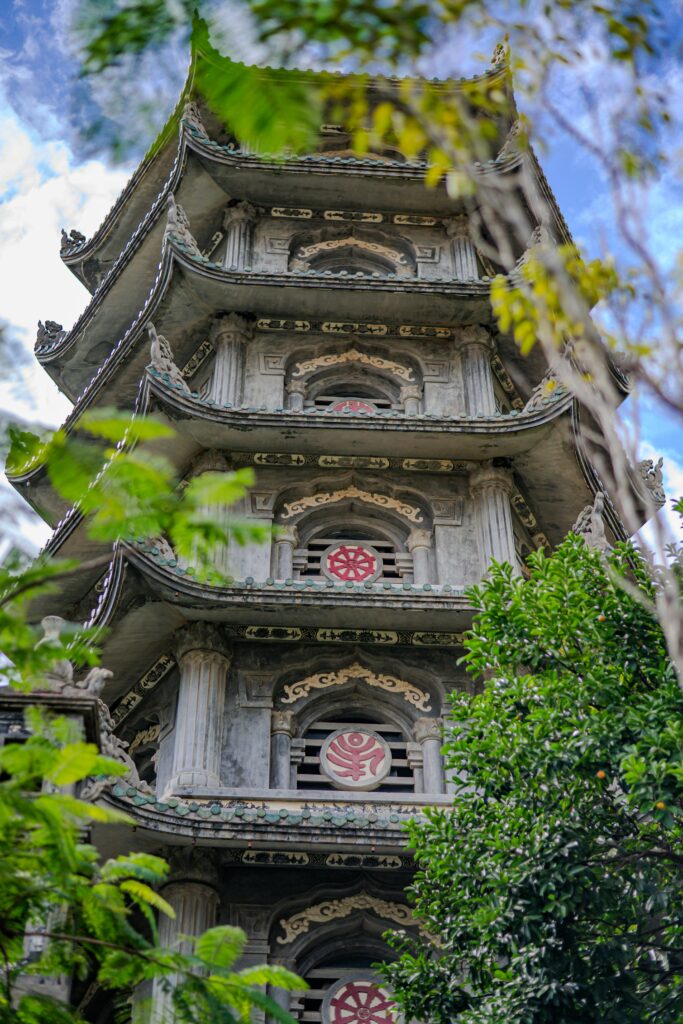
Da Nang has its share of large, well-known temples, but some of the most quietly moving experiences happen in smaller neighbourhood pagodas that rarely make it onto itineraries.
These pagodas are woven into daily life rather than set apart from it. You might stumble upon one while wandering residential streets or near local markets. There’s no grand entrance, no ticket counter, no performance. Just a few devotees, the sound of chanting, the smell of incense, and a sense of calm that feels unforced.
Skipping the big names occasionally and seeking out these smaller spaces gives you a different understanding of the city.
For the Art and Culture Curious
Green Spaces and Street Life
Da Nang’s creative energy doesn’t announce itself loudly. It doesn’t live primarily in galleries or museums. It shows up in how people use space, how the city moves through its day, and in small, ordinary moments that reward attention.
Start with the Han River promenade, especially in the early evening. This is where street life feels most cinematic.
Another good stretch for wandering is around Hai Chau, especially the smaller residential lanes branching off main roads. Here, creativity shows up subtly. Hand-painted signs. Cafes designed with personal flair rather than trends.
If you’re looking for green space, East Sea Park near My Khe Beach is a good place to sit and watch life unfold.
Independent Galleries and Art Spaces
Da Nang’s formal art scene is small, but it’s growing quietly, without trying to compete with Hanoi or Ho Chi Minh City. What exists here feels personal and intentional rather than institutional.
One of the most well-known names is Da Nang Fine Arts Museum. While it’s not massive, it provides a solid overview of local and regional art, including traditional and contemporary works. It’s worth a visit if you want a structured introduction to the city’s artistic context.
For something more intimate, look out for Tuan Art Gallery. This space focuses on contemporary Vietnamese art and often showcases works by local artists. It’s understated, but thoughtful, and gives insight into how modern Vietnamese creatives interpret identity, memory, and place.
Another cultural stop worth mentioning is Nguyen Hien Dinh Tuong Theatre, where you can occasionally catch traditional performances or cultural events.
For the Shopping Inclined
Han Market
Han Market is convenient, central, and slightly touristy, but that doesn’t automatically make it skippable. Think of it as a practical stop rather than a treasure hunt. If you don’t want to criss-cross the city looking for edible souvenirs or small gifts, this place gets the job done.
Inside, you’ll find stalls selling dried fruits, coffee, tea, nuts, packaged snacks, and the usual Vietnam-travel suspects. Quality varies, so take a slow lap before buying anything. Vendors expect some negotiation, but it’s generally friendly and low-stakes. You’re not here for rare finds. You’re here for ease.
What Han Market does well is convenience. It’s a good place to pick up coffee beans, snacky things to take home, or gifts that don’t require explanation. Skip anything that feels mass-produced or aggressively branded. Trust your instincts. If something looks identical to what you saw in three other cities, it probably is.
Local Boutiques and Independent Shops
If you enjoy shopping as a way to understand a place, Da Nang’s small boutiques are far more rewarding than its malls. This is where you’ll find personality, intention, and things that actually feel connected to Vietnam rather than global retail trends.
One well-known stop is Hanoi 1988, which focuses on contemporary Vietnamese fashion with clean lines and wearable designs.
For homeware and thoughtful souvenirs, COCO Casa and OAH Design are worth seeking out. These shops lean toward ceramics, textiles, and decor that feel rooted in Vietnamese aesthetics without turning into clichés.
You’ll also come across smaller, harder-to-label shops scattered around Hai Chau and neighbouring areas.
For Late-Night Explorers
Rooftop Bars
Da Nang’s rooftop bars are not about wild nights or dress-to-impress scenes. They’re about perspective. Height. Air. Watching the city settle rather than speed up. Come here for one or two drinks, not for closing time stories.
One of the most popular options is Sky36 at Novotel Da Nang Premier Han River. It’s polished, centrally located, and gives you sweeping views over the Han River and bridges. It does get busy on weekends, but early evening is pleasant and relaxed.
For something calmer, Top View Bar at A La Carte Da Nang Beach works well. The setting is more low-key, the crowd thinner, and the sea views especially nice after dark. This is a good choice if you want conversation without shouting.
Another solid option is Brilliant Top Bar, which offers a straightforward rooftop experience without trying too hard.
River Walks After Dark
One of the most unexpectedly lovely things to do in Da Nang at night is simply walk. After the heat of the day fades, the city opens up. The Han River promenade becomes a shared living room, and everyone seems to arrive at the same unspoken agreement to slow down.
Easy Day Trips from Da Nang
One of Da Nang’s biggest strengths is its location. You’re positioned between coast, countryside, history, and outright spectacle. The trick is choosing the right day trip for your energy level, not just ticking them all off because they’re nearby.
Hoi An
Hoi An barely needs an introduction, and that’s both its blessing and its curse.
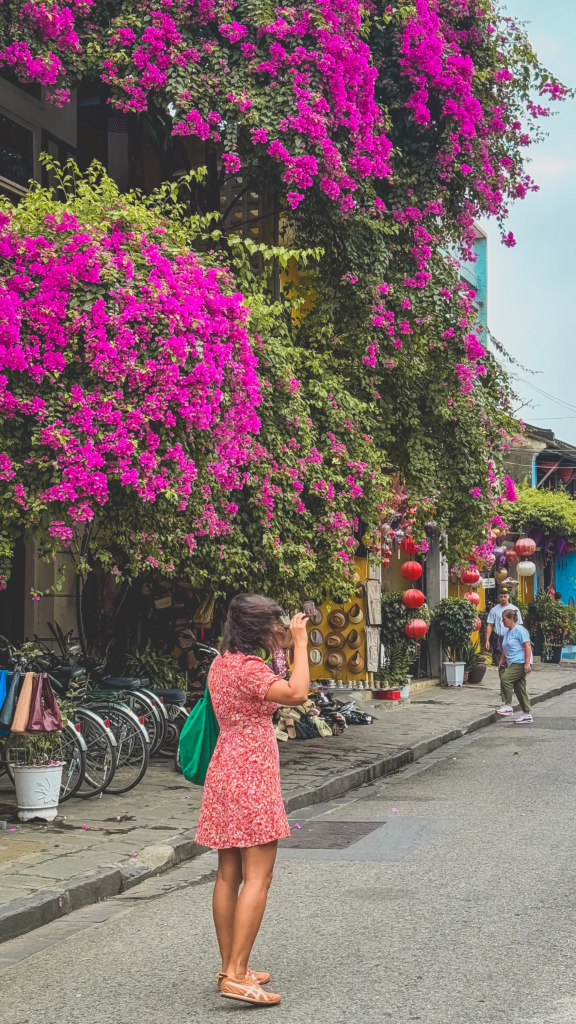
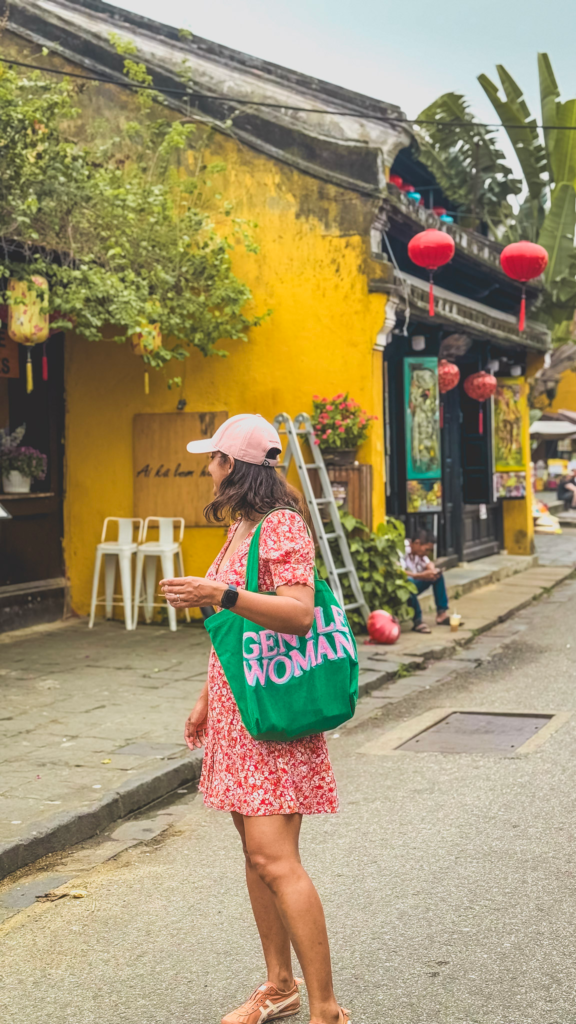
Yes, it’s beautiful. Yes, the lanterns glow exactly the way the photos promise. And yes, it gets crowded enough to test your patience if you arrive at the wrong time. Hoi An is at its best when you avoid the middle of the day and the peak evening rush.
Go early in the morning if you want to see the town breathe. Late evening works too, once day-trippers start leaving. But if you have time, stay a couple of nights in Hoi An, there’s a lot to do and see.
Hue
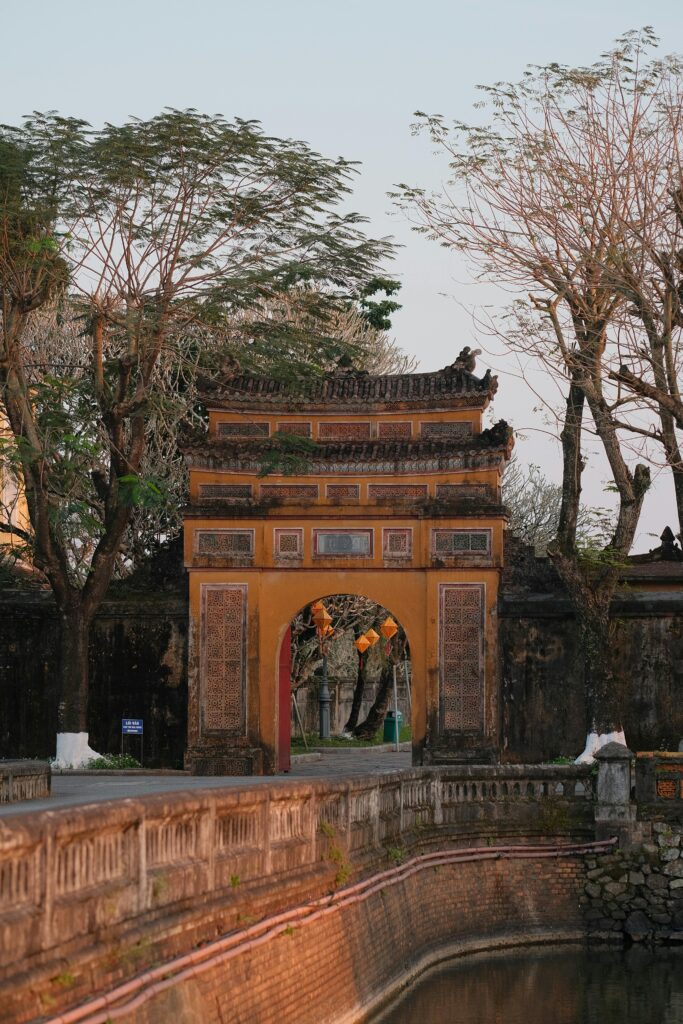
As the former imperial capital of Vietnam, Hue carries a sense of gravity that you feel almost immediately. The Imperial City is vast and layered. The journey itself, especially if you travel via the Hai Van Pass, is part of the experience. Mountains, sea views, and winding roads make the trip feel earned rather than convenient.
Hue suits travellers who enjoy history, reflection, and slower exploration. If you’re tired, overstimulated, or short on time, it can feel overwhelming.
Ba Na Hills
Ba Na Hills is… divisive.
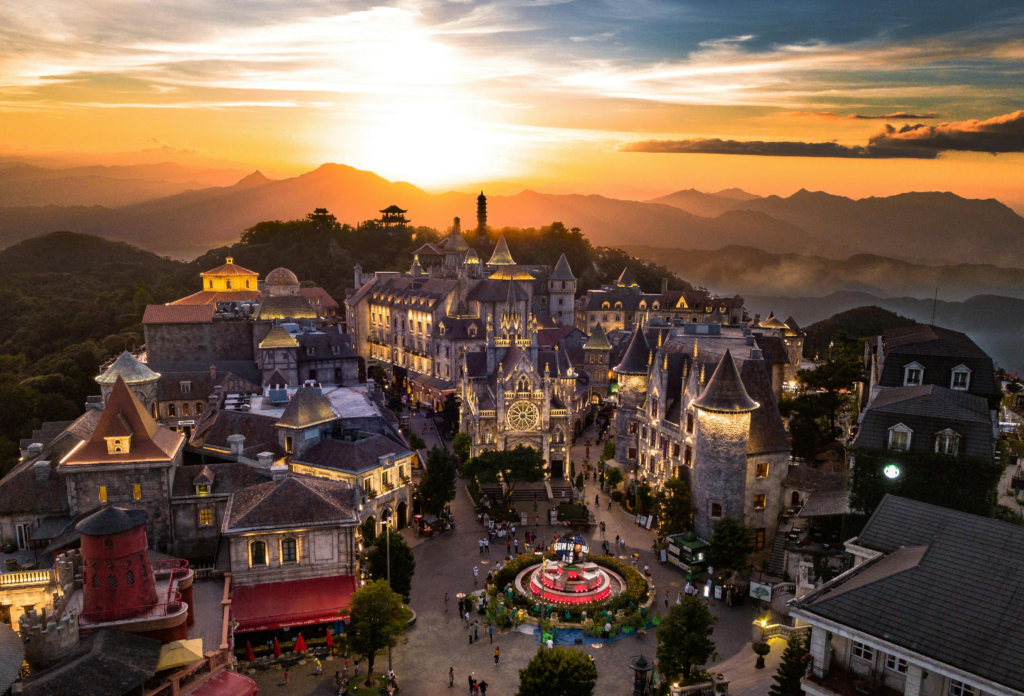
There’s no polite way around it. This is a mountaintop theme park complex complete with cable cars, faux-European architecture, and the famous Golden Bridge held by giant stone hands. Some people love it. Others leave wondering what the point of this is.
If you’re curious, go with the right expectations. This is not a cultural experience. It’s a spectacle. The cable car ride itself is genuinely impressive, offering sweeping views over forested hills. The Golden Bridge is striking in person, despite how overexposed it is online.
Crowds are unavoidable, especially mid-morning. The weather can change quickly, and fog often rolls in. If you enjoy novelty, visual drama, and don’t mind a bit of absurdity, you’ll probably enjoy it.
If theme parks, queues, and curated experiences are not your thing, skip it without guilt. Da Nang offers plenty without this detour.
Cham Island (Cu Lao Cham)
If you’re craving water, greenery, and a break from the city, Cham Island is a solid choice.
Located off the coast near Hoi An, the island offers clear water, coral reefs, and a slower pace of life. Snorkelling is the main draw, especially during the right season when visibility is good. The beaches are relaxed rather than polished, and the island itself feels refreshingly low-key.
This trip works best in good weather. Sea conditions matter, and rough waters can make the journey uncomfortable. If conditions are right, it’s a lovely way to spend a day swimming, eating fresh seafood, and switching off.
My Son Sanctuary
This ancient complex of Cham temple ruins sits in a forested valley and feels worlds away from the coast. The temples are partially reclaimed by nature, weathered, and imperfect, which gives the site a haunting, contemplative quality.
Go early. Heat and crowds build fast, and this place is best experienced with space and silence. A guided visit can add context, especially if you haven’t been to the Museum of Cham Sculpture yet.
Planning a trip to Da Nang?
Want a break from the 25 bookmarked reels?
Whether you’re here for the best things to do in Da Nang, slow beach mornings at My Khe Beach, wandering local markets, diving into Da Nang food as mi quang and bun cha ca, or using the city as a base for easy day trips from Da Nang to Hoi An, Hue, My Son Sanctuary, Cham Island, or even Ba Na Hills. What makes Da Nang special is the balance.
You can spend your mornings exploring Marble Mountains, your afternoons in cafes along Vo Nguyen Giap, your evenings walking the Han River, and still feel rested. If you’re planning a Vietnam itinerary and wondering what to do in Da Nang, I hope you found something worth doing in Da Nang in this travel guide.